
The Imperative for Energy Independence in Construction
The global construction and building sector stands as one of the single largest consumers of energy worldwide. It is also a primary and significant contributor to greenhouse gas emissions globally. Commercial and residential buildings together account for a staggering proportion of final energy consumption, demanding vast amounts of electricity and fossil fuels for their heating, cooling, and daily operation throughout their long lifecycles.
This significant environmental footprint presents an unavoidable, urgent, and complex challenge to architects and engineers in the 21st century. The conventional approach of designing energy-draining structures is now not only environmentally unsustainable and irresponsible. It is also rapidly becoming economically unsound due to volatile energy markets and rising regulatory pressures from governments.
The visionary concept of Net Zero Energy (NZE) Architecture offers a powerful and necessary paradigm shift away from this unsustainable norm of consumption. NZE buildings are specifically designed and meticulously engineered to achieve a perfect energy balance. Over the course of a full year, they generate at least as much verifiable renewable energy on-site as they consume from the utility grid.
Achieving this demanding goal successfully transforms a building from a passive environmental burden into an active, positive contributor to energy stability and security. This sophisticated design philosophy goes far beyond simply installing a few standard solar panels on the roof of a conventional, inefficient structure. Instead, it requires a fully integrated, holistic approach to construction and design.
This process begins with radically minimizing the structure’s overall energy demand before introducing any energy-generating technology whatsoever. This technique is often described as “getting to zero, then adding the final zero.” For architects, mastering NZE principles is no longer an optional niche specialization. It is rapidly becoming a fundamental, ethical requirement for responsible, forward-thinking professional practice.
It is ultimately about creating structures that offer long-term financial resilience and independence for their owners. These structures also provide superior thermal comfort and air quality for their occupants, alongside an essential reduction in carbon emissions for the planet. The detailed design strategies discussed below are the essential building blocks for achieving the demanding and professionally rewarding performance goals of NZE architecture.
The First Step: Minimizing Energy Demand
The most cost-effective kilowatt-hour (kWh) is universally recognized as the one a building never consumes in the first place. The primary focus of all NZE design is therefore to aggressively minimize the operational energy load. This is achieved through meticulous building envelope design and highly optimized passive strategies tailored to the climate.
The High-Performance Building Envelope
The building envelope, encompassing the exterior walls, roof, windows, and foundation, is the structure’s critical protective barrier. It actively dictates exactly how much energy is either lost to the environment or gained unnecessarily from the sun throughout the year. NZE buildings demand insulation levels significantly higher than standard building codes mandate for compliance. This is often achieved utilizing techniques like exterior continuous insulation. This approach minimizes thermal bridging, which is the direct path for heat to escape or enter through structural components like studs or floor slabs. This creates a highly effective, consistent thermal blanket around the entire conditioned space of the building.
Preventing all uncontrolled air leakage, or drafts, is just as critical as insulation in achieving true NZE design performance. Air leaks can easily account for a large and unpredictable percentage of total energy loss. Architects must work closely and precisely with contractors to implement rigorous, high-quality air sealing details around all windows, doors, and utility penetrations. This meticulous work results in an exceptionally tight, durable envelope that minimizes uncontrolled heat transfer. Windows are often identified as the weakest thermal link in any building envelope, leading to major heat loss in the cold season and unwanted heat gain in the warm season. NZE design therefore mandates the careful use of high-performance glazing, typically triple-paned glass with low-emissivity (Low-E) coatings and highly insulated frames. The glazing must also be strategically sized and positioned based on the building’s specific orientation to the sun for maximum efficiency.
Passive Design Strategies
Before engaging any active mechanical equipment, the NZE architect leverages the local climate and the structure’s physical orientation to naturally manage temperature, light, and necessary airflow. The building’s long axis should ideally be oriented along the east-west line of the site. This is done to minimize the large surface area exposure to low-angle sun from the east and west, which is historically difficult to shade effectively. South-facing glass, however, can be beneficially shaded with fixed architectural elements like deep overhangs. These overhangs are carefully designed to block the intense high summer sun while allowing desirable low winter sun to penetrate deep into the building for passive heating.
NZE design strategically prioritizes maximizing the use of natural light, or daylighting, to displace the need for energy-consuming electric lighting during the daytime hours. This involves strategic window placement, the use of light shelves, and interior light-colored surfaces to efficiently bounce and distribute daylight deeply into the building’s core areas. This significantly reduces the electric lighting energy load. In appropriate, moderate climates, the building design leverages prevailing wind patterns and the stack effect (the natural tendency of warm air to rise) to naturally ventilate the space. Operable windows, careful placement of louvers, and tall atria or chimneys are utilized to facilitate cooling airflow, thereby reducing the reliance on energy-intensive air conditioning systems.
Advanced Energy Modeling and Analysis
Achieving the goal of Net Zero is a mathematically rigorous and detailed process. It requires architects to use sophisticated software tools throughout the entire design process to accurately predict and refine the structure’s performance. Architects use dynamic energy modeling software to simulate the building’s anticipated annual energy performance under various detailed weather conditions and occupancy scenarios before construction even begins. This vital process allows the design team to quantitatively test the effect of different design choices, such as varying wall thickness or window type, on the final annual energy balance.
The modeling process helps the architect prioritize the most impactful design strategies for overall load reduction. It confirms that passive strategies deliver maximum benefit before the design team selects the mechanical systems. This crucial, performance-based step ensures that the subsequent mechanical equipment can be sized much smaller and less expensively than in conventional designs. The energy model is used iteratively, meaning the architect continuously refines the design inputs based on the modeling results to achieve the most energy-efficient and cost-optimal solution. This is a cyclical process of refinement that successfully minimizes the cost of both initial construction and long-term operational costs.
The Second Step: High-Efficiency Systems
Once the building’s energy demand has been successfully and significantly minimized, the NZE architect selects the most energy-efficient and intelligently controlled mechanical and electrical systems available on the market.
Heating, Ventilation, and Air Conditioning (HVAC)
Because the load required for conditioning is already minimal, NZE buildings can often utilize radically smaller, far more efficient HVAC systems that conventional, high-load buildings cannot effectively employ. Geothermal Heat Pumps (GHP) utilize the stable, moderate temperature of the earth a few feet beneath the surface to efficiently heat and cool the building year-round. They require far less energy than traditional boilers and furnaces because their primary function is simply transferring existing heat, not generating new heat through combustion. This delivers significant operational savings and reduces system complexity.
Due to the extreme airtightness of NZE buildings, controlled mechanical ventilation is absolutely essential for maintaining excellent, consistent indoor air quality. High-Efficiency Heat Recovery Ventilation (HRV/ERV) systems are used. These systems exchange stale outgoing air with fresh incoming air while simultaneously recovering a substantial percentage of the heat or coolness from the outgoing air stream. This process minimizes energy loss while ensuring a constant supply of fresh air. The building should be intelligently divided into distinct thermal zones. Each zone must have its own specific controls, sensors, and thermostats. This sophisticated zoning system ensures that only the occupied parts of the building are heated or cooled at any given time, avoiding the wasteful conditioning of empty spaces.
Lighting and Electrical Loads
Electric lighting and general plug loads, which are essentially all the equipment plugged into outlets, represent a significant portion of a modern building’s energy consumption. NZE design mandates the exclusive use of 100% Light Emitting Diode (LED) fixtures for all lighting needs. These systems consume only a small fraction of the power of traditional incandescent or fluorescent bulbs. These highly efficient systems are further optimized with occupancy sensors, which turn lights off when no one is present, and daylight dimming controls, which reduce artificial light levels when natural light is abundant.
All permanent appliances permanently specified within the NZE building, such as the refrigerators, washing machines, and integrated water heaters, must meet or exceed the highest available energy efficiency standards. This minimizes the critical baseline parasitic load that is always present in the structure, even when systems are not actively running. In commercial buildings, architects can specify Power Over Ethernet (PoE) systems. These innovative systems deliver both electrical power and data connectivity to low-power devices, such as LED lighting, sensors, and security cameras, over a single Ethernet cable. This reduces wiring complexity significantly and minimizes energy conversion losses, optimizing the overall electrical distribution system.
Water Heating and Usage
Water heating is typically the second largest single energy consumer in residential buildings. It is also a major user of both energy and water resources in commercial projects. Architects can integrate Solar Thermal Collectors into the building’s roof structure during the design phase. These collectors use the sun’s direct energy to efficiently heat water for domestic use, significantly offsetting the need for gas or electric water heaters. These thermal systems are often physically separate from the photovoltaic (PV) electrical generation system.
Heat Pump Water Heaters (HPWH) transfer ambient heat from the surrounding air to the water, functioning much like an efficient reverse air conditioner. They are far more efficient than conventional electric resistance heaters because they simply move existing heat rather than generate new heat, saving considerable energy. While not directly affecting energy production, best NZE practice often includes systems for recycling gray water, which is water from sinks and showers, for non-potable uses. These uses include toilet flushing or landscape irrigation. This recycling reduces the energy needed to treat and pump new potable water into the building.
The Third Step: Generating Renewable Energy

After the building’s energy load has been radically reduced and optimized, the architect integrates on-site renewable energy systems. These systems are sized to meet the remaining, small energy demand, thereby achieving the formal Net Zero status.
Photovoltaic (PV) System Design
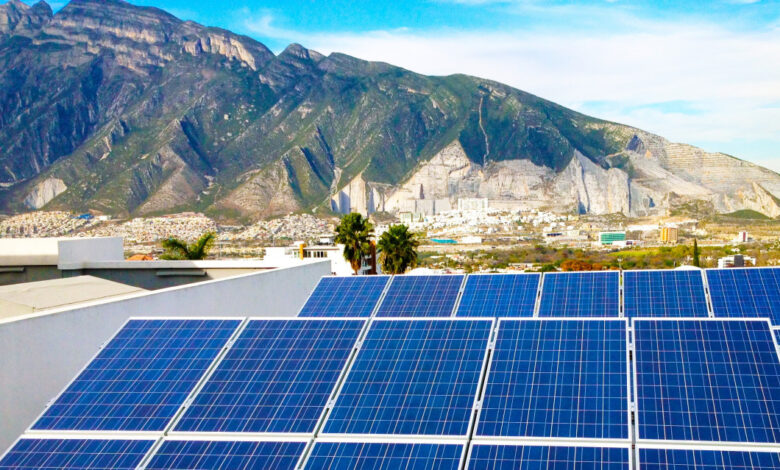
Solar panels are the most common, reliable, and cost-effective renewable energy source for achieving the Net Zero energy goal on building sites globally. The PV system must be precisely sized to mathematically match the annual energy consumption, based on the final, low load calculated by the energy model. The architect must ensure the roof or facade provides adequate, unshaded surface area with optimal orientation, typically south-facing, and the correct tilt angle for maximum annual energy yield.
Modern NZE design highly prioritizes the seamless visual integration of PV panels into the structure, moving beyond bulky, unattractive, tacked-on arrays. Architects increasingly specify Building-Integrated Photovoltaics (BIPV). In this case, the PV panels function as the actual final roofing material, a shading device, or even the facade cladding itself, simultaneously enhancing the building’s design aesthetics. The entire system requires high-efficiency inverters to convert the direct current (DC) generated by the panels into the alternating current (AC) used by the building and the electrical grid. Selecting the right inverter technology, such as micro-inverters for complex rooflines, maximizes system efficiency and monitoring capability.
Energy Storage and Grid Interaction
Achieving true energy independence and resilience requires managing the variable and intermittent nature of solar power and interacting smartly with the utility grid. Battery Energy Storage Systems (BESS) store excess solar energy generated during the day for essential use at night or during cloudy periods. BESS is critical for moving the building toward Net Zero over Time, meaning an hourly or daily energy balance, and providing reliable backup power during utility grid outages for resilience.
NZE operation relies heavily on Net Metering, a standard regulatory policy that allows the building owner to sell any surplus generated electricity back to the utility grid for financial credit. The architect must confirm the feasibility and long-term economic viability of Net Metering in the project’s specific jurisdiction before relying on it for the final NZE calculation. NZE buildings are designed to be active, intelligent components of the modern smart grid. They are equipped with smart meters and controls that can communicate directly with the utility. This communication allows the building to intelligently optimize its energy consumption and generation based on grid pricing and immediate demand signals.
Alternative On-Site Generation
In some specific locations or for unique building types and programs, alternative renewable energy technologies can effectively supplement or even replace solar PV generation entirely. In areas with consistent, adequate wind resources that are far from major population centers, architects can integrate small-scale, quiet micro-wind turbines into the building’s roof structure. These are generally less common and challenging to implement in dense urban areas due to zoning restrictions and local wind turbulence.
For large, institutional campuses or agricultural facilities, NZE can be achieved by utilizing on-site waste products, such as wood chips or agricultural residue, to fuel highly efficient biomass boilers. This creates a localized, carbon-neutral heat source, significantly reducing reliance on conventional fossil fuels for heating. In rare, suitable locations near flowing water sources, architects can integrate micro-hydro power generators directly into the site. This unique technology provides a highly reliable, continuously available power source that is not dependent on sunlight or wind speed.
Management: Certifications and Performance
The final, crucial step in the NZE process is ensuring the building actually performs as designed and predicted. This requires rigorous commissioning, formal certification, and long-term monitoring after occupancy.
Commissioning and Verification
The NZE architect must ensure that the installed systems and the building envelope operate correctly and interact precisely as intended in the digital energy model. Enhanced Commissioning is a mandatory process that goes beyond standard checks. It involves a rigorous, third-party review of the design, installation, and operation of all energy-related systems in the building. This ensures all sensors and controls are correctly calibrated and communicating effectively from day one of operation.
The construction team must perform mandatory, documented field tests. This includes the Blower Door Test, which confirms the extreme airtightness of the building envelope before the interior finishes are installed. This crucial test provides objective, quantitative verification of the air sealing work and insulation quality. The architect must provide thorough, specialized training to the building operators or the homeowners on how to correctly use the advanced control systems and fully understand the NZE principles. A knowledgeable, responsible user is absolutely crucial for achieving the building’s designed performance goals over time.
Certification Standards and Targets
Formal third-party certification provides essential external validation that the NZE goal has been officially met. It gives the client legally defensible proof of the building’s high performance and future value. The formal Net Zero Energy (NZE) Standard typically requires the verified annual energy produced to equal or legally exceed the annual energy consumed. This status must be confirmed by one full year of post-occupancy energy meter data. This represents the international gold standard for verifiable high-performance building.
Passive House Certification (PHI/PHIUS) is distinct from NZE, but achieving it confirms the building has met the necessary prerequisite of ultra-low energy demand. It provides a robust, proven, and internationally recognized methodology for minimizing the load, making the final step to Net Zero far easier and more cost-effective. The Living Building Challenge (LBC) is perhaps the most rigorous and ambitious certification globally. It demands not only Net Zero energy and water performance but also zero waste, the use of only non-toxic materials, and verifiable positive ecological benefits.
Post-Occupancy Evaluation (POE) and Monitoring
True NZE status is fundamentally a performance claim, not merely a design intention claim. It must be verified by continuous, post-occupancy monitoring and accurate data collection over time. The NZE building must be equipped with smart meters and sub-meters that continuously track and log detailed energy generation and consumption data from various sources, including HVAC, lighting, and appliances. This real-time data allows the building manager to quickly identify and troubleshoot any performance gaps immediately upon detection.
A Performance Gap occurs when the building consumes significantly more energy than was predicted in the original energy model used for design. The architect and engineer should conduct a formal analysis after the first year of occupancy to diagnose any gaps and recommend necessary tuning or adjustments to systems and controls. The detailed, real-world performance data meticulously collected from completed NZE projects is scientifically invaluable. This data informs and refines the energy models and design strategies for future projects, driving continuous, proven improvement across the entire architectural practice.
Conclusion: Achieving a Resilient Future
Net Zero Energy (NZE) architecture represents the essential, next evolutionary stage in all responsible building design. It marks a powerful shift away from outdated, unsustainable reliance on consuming vast amounts of external power sources. This demanding paradigm requires a fundamental shift in traditional design thinking. It prioritizes the radical minimization of energy demand through meticulous envelope design and the strategic, optimized application of passive climate control strategies tailored to the site.
The successful execution of an NZE structure hinges entirely on the expert integration of advanced systems. This requires the architect to precisely size and select hyper-efficient mechanical equipment, such as Geothermal Heat Pumps and Heat Recovery Ventilation, to handle the small remaining loads required for comfort. Only after successfully achieving this ultra-low consumption benchmark can the structure successfully integrate on-site renewable generation technologies.
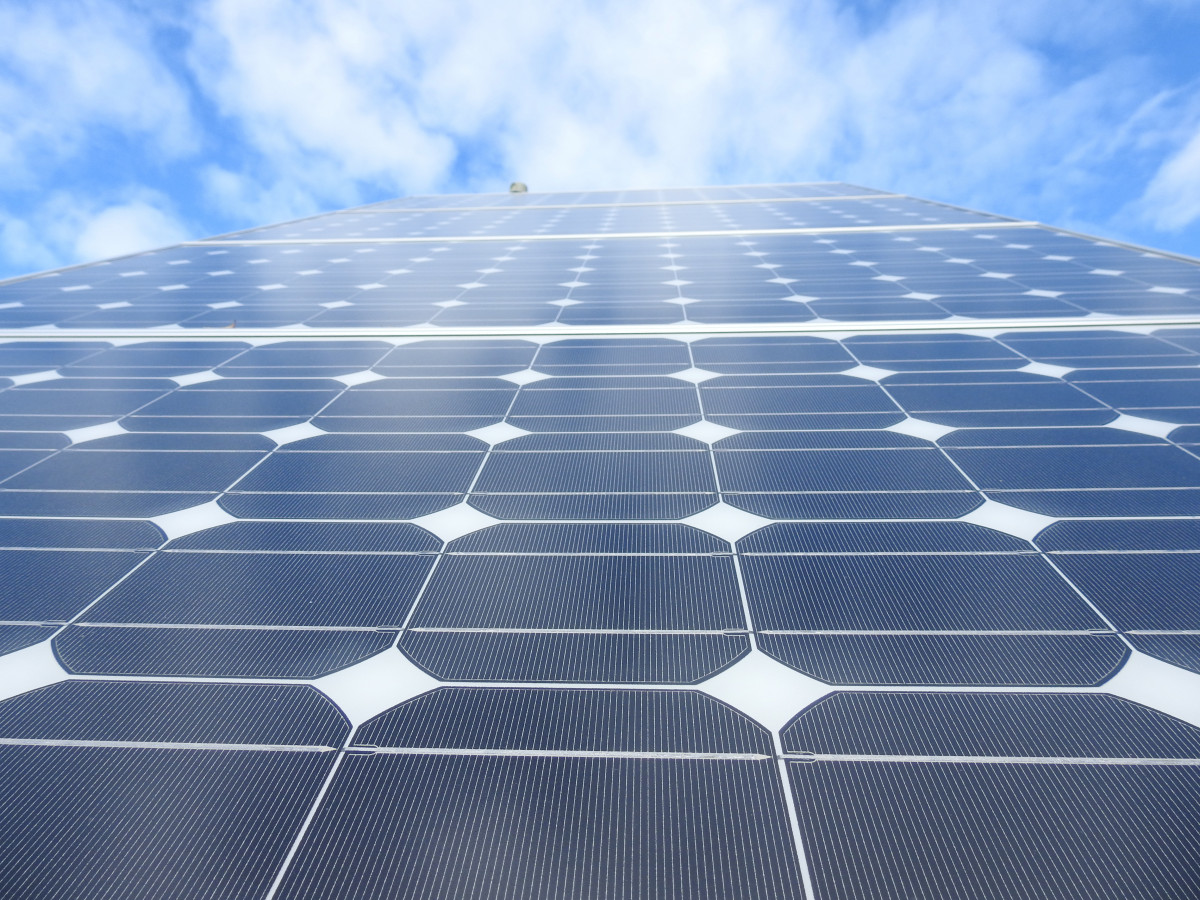
These technologies, predominantly high-efficiency Photovoltaic (PV) Systems, must be elegantly and functionally integrated into the building’s aesthetics and structure. The final, crucial step in this process is the rigorous, third-party Commissioning and continuous Post-Occupancy Monitoring of the structure’s real-world energy performance data. By mastering this holistic, three-step process—Minimize, Maximize Efficiency, and Generate—architects fundamentally transform buildings into resilient, valuable, and actively productive energy assets.
This proactive commitment to NZE principles is a direct, measurable investment in long-term financial stability for the owner. It is also a fundamental ethical commitment to reducing humanity’s collective carbon footprint. This represents the only viable path forward for responsible and truly innovative architectural practice in the face of the defining global climate crisis of our time.