
Visionaries Who Built Our World
For many centuries, the human experience has been fundamentally defined and constrained by the built environment. This environment includes the homes, temples, and colossal towers that successfully rise from the earth to shape our collective daily lives. While countless structures have been merely erected by anonymous hands throughout all of history, certain iconic architects possess a rare, transformative genius that totally transcends simple construction.
These gifted individuals permanently altered not just individual buildings but the very DNA of urban living itself across the globe. These master builders were not simply mere drafters of complicated plans for construction. They were profound philosophers who used stone, steel, and glass as their medium to express powerful, universal ideas about society, practical function, democracy, and beauty. Their finished works stand today as powerful, enduring testaments to the power of deliberate, thoughtful design.
These buildings act as massive, physical markers that powerfully define the cultural and aesthetic identity of the vibrant cities they inhabit. Examining their lasting legacies allows us to clearly trace the complex evolution of architectural thought. This evolution spans from the grandeur and order of classical antiquity to the sleek, minimal lines of modernism and the complex, dynamic forms of contemporary design.
This detailed exploration will meticulously dive into the lives, core philosophies, and most impactful creations of five of these undisputed titans of the field. We will show precisely how their unique vision and unwavering dedication to specific form and function have left an indelible, unforgettable mark on the global cityscape we inhabit today.
The Cornerstone of Modernism: Frank Lloyd Wright
Frank Lloyd Wright (1867–1959) is widely and arguably considered the most celebrated and supremely influential American architect in the entire history of the country. His radical, homegrown philosophy fundamentally rejected the established, restrictive European conventions of the time. Instead, he championed a uniquely American architectural identity that was deeply rooted in nature, individualism, and democratic ideals.
The Philosophy of Organic Architecture
Wright’s core, defining belief was in Organic Architecture, a principle that aggressively demanded that humanity, the building structure itself, and the surrounding natural environment be fully integrated into a single, unified, cohesive compositional unit. He firmly believed that a structure should appear to grow naturally from its specific site. This process ensured it harmonized with the surrounding landscape rather than dominating it artificially with contrasting elements. This deep-seated philosophy naturally led him to utilize local, natural, and accessible materials extensively throughout all of his work. He aimed to successfully create internal spaces that felt innate and completely true to their specific geographic location and immediate context.
-
Integration with Site: The building’s final form, its chosen materials, and its internal plan were always intended to directly relate to its specific geographic location and ecological context. The resulting architecture effectively becomes an authentic, physical extension of the earth it perpetually rests upon.
-
The Open Plan: Wright pioneered the revolutionary open-plan concept in residential design. This concept strategically broke down the rigid, compartmentalized, and separate rooms that were common in Victorian-era homes. He successfully introduced fluid, interconnected living spaces that seamlessly flowed into one another, one of the most radical rethinkings of residential utility in history.
-
Central Hearth: In many of his early, foundational designs, the massive hearth or fireplace was established as the primary, physical, and emotional center of the entire home. This powerful, comforting element reinforced the universal importance of family, security, comfort, and the essential concept of protective shelter for all occupants.
Defining the Prairie Style
The Prairie Style became the signature, defining expression of Wright’s early Organic Architecture philosophy. This unique style was perfectly suited for the flat, expansive, wide-open landscapes of the American Midwest. These iconic homes possessed an unmistakably distinct horizontal emphasis that was completely unprecedented in American residential architecture at the time they were built.
-
Horizontal Lines: The resulting buildings prominently featured low-pitched roofs, strong, deliberate, and deeply pronounced horizontal lines. They also included overhanging eaves that visually and firmly anchored the entire structure to the surrounding ground.
-
Banding Windows: The windows were typically grouped together in long, continuous horizontal strips or bands around the perimeter. This grouping allowed maximum natural light and panoramic views to enter the space. Simultaneously, it reinforced the long, low-slung, defining nature of the home’s unique design aesthetic.
-
Robie House (Chicago, 1909): This iconic, celebrated residence is often universally considered the undisputed masterpiece of the entire Prairie Style. Its massive, dramatic cantilevered roofs and complex, interlocking volumes clearly showcase Wright’s complete mastery of spatial organization and defining architectural form.
The Later Years and Monumental Works
Wright’s later, extensive career saw him successfully transition his architectural focus from primarily residential projects to designing some of the most enduring, globally recognized public buildings of the entire 20th century. His designs in this later period grew more complex, sculptural, ambitious, and conceptually challenging.
-
Fallingwater (Pennsylvania, 1937): Perhaps his single most famous and recognizable work globally, this private home is built directly and dramatically over a natural, cascading waterfall. The massive, reinforced concrete cantilevers dramatically project out over the rushing water below. It stands today as the quintessential, perfect embodiment of the complete Organic Architecture principle he championed.
-
Guggenheim Museum (New York, 1959): This museum presents a stark, bold departure from the typical, restrictive Manhattan grid system. This unique museum features a massive, continuous spiral ramp. This ramp successfully guides visitors seamlessly from the ground floor to the very apex of the building, completely redefining the entire traditional museum-going experience. The exterior form itself is a bold, undeniably powerful sculptural statement of modern art.
-
Impact on Urban Form: Wright’s philosophical emphasis on decentralized, individual, suburban homes and his strong, vocal critique of dense, traditional urban centers significantly influenced 20th-century suburban development. This philosophical stance shaped the entire concept of individualized American living, steering society away from traditional, high-density city dwelling.
The Godfather of Modernism: Le Corbusier
Le Corbusier (Charles-Édouard Jeanneret, 1887–1965), a highly influential Swiss-French architect, was a pivotal figure who truly revolutionized the entire practice of building design. He bravely led the charge for the functional, unadorned, and stark aesthetic of early Modernism. His profound influence on large-scale urban planning and modern high-density housing remains deeply felt, continuously studied, and often intensely debated globally by urbanists.
The Five Points of Architecture
In the year 1927, Le Corbusier formally outlined his radical “Five Points of Architecture.” These revolutionary principles were intended to completely free the design of the modern house from all traditional, restrictive limitations. They aimed to fully adapt the house for the rapidly advancing Machine Age. These five points quickly became the foundational, guiding pillars for his own work and the work of many other architects for several subsequent decades.
-
The Pilotis: This involved successfully raising the entire building structure off the ground. This was achieved by using slender, reinforced concrete columns. This action strategically frees the ground level for vehicle passage, pedestrian circulation, and much-needed green space.
-
The Free Plan: This principle mandated the elimination of all heavy, load-bearing walls internally within the structure. This architectural freedom allowed the interior partitioning of space to be placed freely and strategically, thus maximizing functional flexibility for all occupants.
-
The Free Façade: Since the exterior walls no longer had the functional responsibility of supporting the structure’s weight, the façade itself could be independently designed. This allowed for features like open cladding materials or large, expansive sheets of glass.
-
The Horizontal Window: This concept involved purposefully replacing vertical, traditional windows with long, horizontal ribbons of continuous glass. This structural feature provided maximum amounts of natural light and desirable panoramic views. Simultaneously, it elegantly reinforced the necessary horizontal plane of the building structure.
-
The Roof Garden: This vital principle involved successfully utilizing the flat roof space, which was made possible by the structure below, for a habitable garden or an accessible terrace. This final step successfully reclaimed the crucial ground area that the building footprint had previously occupied.
The City of Tomorrow and Urban Planning
Le Corbusier extended his radical architectural ideas far beyond the design of individual, standalone buildings. He rigorously applied his stark, unyielding, and purely geometric logic to the entire organizational structure of the modern city. He consistently operated under the controversial belief that the urban past was entirely obsolete and inefficient.
-
The Radiant City: His famous, highly influential 1930 concept proposed a highly centralized, strict, utopian metropolis. This proposed city was to be composed entirely of high-rise residential towers strategically set within vast, open green parks. These towering structures would be efficiently separated by wide, fast-moving transportation arteries. This concept was considered the ultimate, rigid expression of purely rational urban planning.
-
Unité d’Habitation (Marseille, 1952): This massive, brutalist residential housing block was designed by Corbusier as a comprehensive “vertical garden city” prototype. It included interior streets, shops, and numerous communal facilities, successfully serving as a practical prototype for modern, self-sufficient, high-density mass housing concepts across post-war Europe.
-
Designing Chandigarh (India): In the 1950s, he received the monumental commission to design the entire new city of Chandigarh from scratch. This was a complete, large-scale, real-world realization of his most ambitious urban theories. It incorporated his strict, monumental, concrete governmental and civic structures into a massive grid plan.
Critical Legacy and Impact
While Le Corbusier’s radical ideas undeniably revolutionized the very practice of architecture and the concept of urban density, they also faced immediate and significant criticism. This critique was often aimed at their perceived lack of human scale and their cold, monolithic, and dehumanizing aesthetic. Nevertheless, his profound influence on the built environment remains universally inescapable.
-
Global Adoption: His core principles became the standard, default formula for much of the post-war reconstruction period and the subsequent construction of massive public housing projects worldwide. This widespread adoption directly led to the rapid creation of countless high-rise neighborhoods globally.
-
The Critique of Standardization: Critics vehemently argued that his standardized, rigid, one-size-fits-all architectural solutions often deeply ignored local culture, specific climate conditions, and the complex, varied social dynamics of the communities they were built to serve. His finished work often felt overly intellectualized and purely academic.
-
Enduring Form: Despite all the intense critiques of his large-scale urban planning theories, his individual architectural buildings, such as the sculptural, expressive Chapel of Notre-Dame du Haut, are universally celebrated today as powerful, singular achievements of complex modern artistry and refined architectural form.
The Structural Pioneer: Ludwig Mies van der Rohe
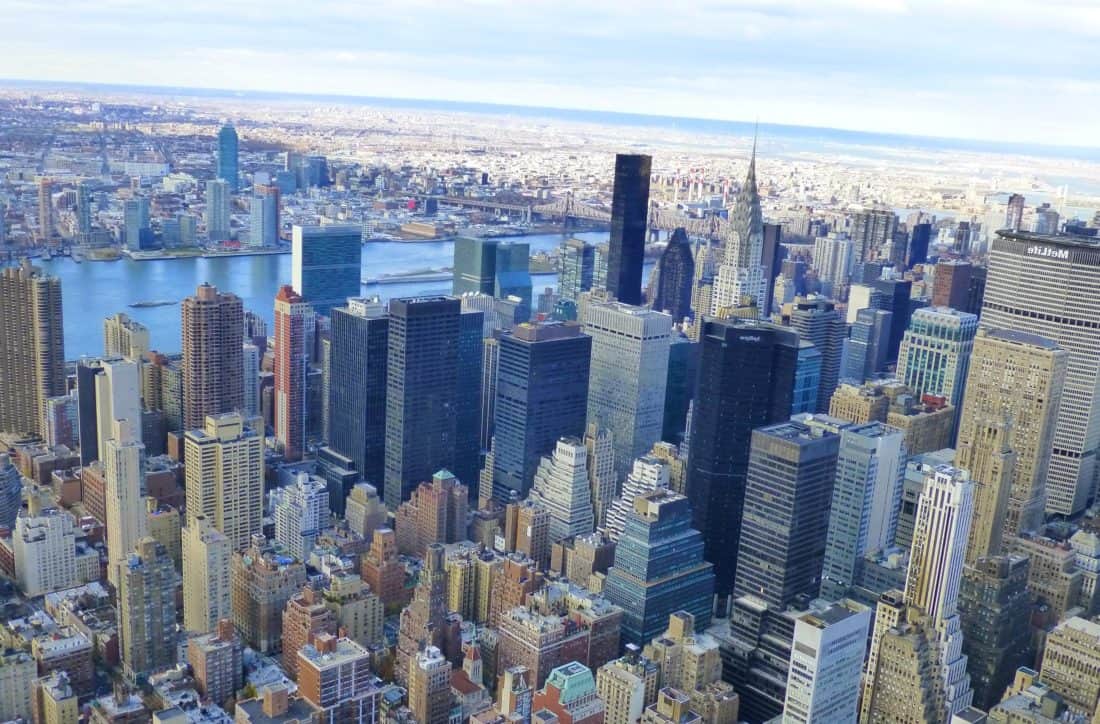
Ludwig Mies van der Rohe (1886–1969), a highly influential German-American architect, famously and successfully distilled the complex philosophy of Modernism to its absolute purest, most minimal essence. His iconic, globally recognized mantra, “Less is more,” became a guiding philosophical principle for countless generations of architects and designers globally.
Minimalism and Universal Space
Mies’ entire body of work was driven by a tireless, obsessive search for ultimate clarity, perfect order, and precise, elegant structural expression. His goal was to create a truly Universal Space—a fundamental structure defined by its maximum, ultimate functional flexibility in its internal arrangement and configuration. His principle of “Less is More” dictated the complete, ruthless removal of all unnecessary ornament, any decorative flourishes, and all non-essential architectural elements from the design. The only things intentionally left were the pure, defining, essential structure and the precise, rich materials used in the construction.
Despite the apparent, visual simplicity of his final structures, Mies was notoriously fanatical about the precise detail, the impeccable quality of the materials used, and the meticulous craftsmanship of every single structural connection and joint within his buildings. This obsessive attention to detail elevated his work to a unique level of sophistication.
The Glass and Steel Aesthetic
Mies masterfully pioneered the monumental use of the vast glass and steel skyscraper as a defining, powerful symbol of modern commerce and overwhelming urban ambition. His signature designs immediately set the unwavering global standard for corporate architecture for the following fifty years.
-
Farnsworth House (Illinois, 1951): This house is an unparalleled, celebrated masterpiece of residential transparency and pure form. The structure is a single, pristine glass box raised deliberately off the ground on crisp, white steel columns. It stands as the purest possible, most complete expression of Mies’ ideal of minimal, completely unadorned space.
-
Seagram Building (New York, 1958): This highly influential tower is widely considered the ultimate expression of the functional Modernist glass and steel box aesthetic. The building’s careful, elegant proportioning and the rich, luxurious material choices defined the look of the mid-century corporate headquarters worldwide.
-
Crown Hall (Chicago, 1956): Built as the architecture school for IIT, this structure is defined as a single, clear-span, massive universal space. The roof structure is functionally suspended from massive external steel girders. This technical innovation created a vast, open, column-free interior space that was considered ideal for architectural education and studio work.
Global Influence on Urban Texture
Mies’ meticulously designed buildings, with their stark, unyielding geometry and heavy reliance on industrial, manufactured materials, fundamentally and permanently reshaped the texture and general visual appearance of major metropolitan centers across the entire globe. His profound influence is still felt universally today.
-
The International Style: His rigorous, minimal work strongly influenced the rapid development and subsequent widespread adoption of the International Style of architecture. This standardized, global aesthetic was primarily defined by its strict rectilinear forms and its plain, absolutely unornamented surfaces.
-
Plazas and Public Space: Many of Mies’ high-rise buildings were intentionally and strategically set back significantly from the busy city street. This deliberate action created large, open, expansive public plazas at ground level. This was a novel idea that changed the established relationship between the massive corporate tower and the surrounding urban environment.
-
A Standard of Elegance: The relentless, singular pursuit of ultimate simplicity, coupled with an absolute demand for high-quality materials and exquisite detailing, established a permanent, sophisticated standard of corporate architectural elegance that continues to be universally emulated in every modern city today.
The Sculptor of Concrete: Zaha Hadid
Dame Zaha Hadid (1950–2016), an immensely talented Iraqi-British architect, was a pivotal figure who bravely ushered in the revolutionary era of Deconstructivism and the use of dynamic, fluid, non-rectilinear architectural forms. Her groundbreaking work fearlessly introduced movement and a profound sense of gravity-defying sculpture into the typically static urban environment.
Liquid Architecture and Parametricism
Hadid’s signature style, often highly accurately described as Liquid Architecture or Parametricism, was a radical and brave departure from the rigid geometric boxes and strict orthogonal grids of her Modernist predecessors. Her final designs are powerful, flowing expressions of continuous motion and fluid form.
-
Breaking the Box: She routinely used advanced, powerful digital modeling tools to successfully create complex, non-Euclidean geometries in her designs. Her buildings often prominently feature oblique, non-parallel angles, soaring, sweeping curves, and massive structural surfaces that appear to flow seamlessly into one another.
-
Movement and Dynamics: Her final structures give the profound, active impression of being constantly in motion. They feature lines and planes that swirl and dramatically collide in unexpected, dynamic ways. This bold artistic choice successfully introduces a strong sense of kinetic energy to otherwise static, massive buildings.
-
Utilizing Concrete: While she utilized many advanced modern materials in her final construction, her iconic structures often utilized massive amounts of reinforced concrete. This versatile, pliable material allowed her to structurally achieve the massive, sweeping, structurally demanding curves that definitively characterize her unique and globally recognizable style.
Global Cultural Impact
Hadid’s architectural commissions were consistently high-profile, extremely ambitious, and truly global in their extensive scope. Her completed buildings often became immediate, massive cultural landmarks immediately upon opening. This powerful presence fundamentally changed the perceived identity of the cities that proudly commissioned her work.
-
Heydar Aliyev Center (Baku, Azerbaijan, 2012): This colossal structure features a massive, continuous, dramatic wave-like shell that visually appears to peel up from the ground itself. It is widely celebrated as a masterful technical achievement of fluid architectural form and complex engineering.
-
Guangzhou Opera House (Guangzhou, China, 2010): This iconic building was deliberately designed to look like two smooth, erosion-sculpted river stones resting on the bank. This design brilliantly integrates the building into the urban waterfront and serves as a powerful, elegant civic anchor for the entire area.
-
The London Aquatics Centre (London, 2011): Designed specifically for the Olympic Games, its massive, undulating roof structure dramatically and visually mirrors the flowing motion of water. This structure clearly showcases her signature ability to successfully integrate unique form with necessary athletic function and technical requirements.
Reshaping Urban Identity
Hadid’s unparalleled ability to create powerful, utterly unique, and immediately recognizable architectural forms established a new, ambitious benchmark for all public architecture in the entire 21st century. Her finished buildings quickly became globally significant tourist destinations in their own right.
-
The Starchitect Phenomenon: Her massive global success strongly solidified the controversial concept of the “starchitect.” In this system, the individual designer’s unique signature and brand become often as important as the actual function of the building itself for publicity.
-
Digital Design Methods: Her practice bravely pioneered the widespread use of sophisticated, non-linear digital modeling and complex parametric software in architectural design. This advanced technology is now the absolute standard tool globally for successfully designing complex, non-traditional architectural forms.
-
Symbol of Progress: Her distinct, visually stunning, and fiercely forward-looking architecture quickly became a powerful visual symbol. This symbol was adopted by cities that were eager to prominently position themselves as leading centers of bold innovation, profound modernity, and ambitious future vision.
The Master of Context: Renzo Piano
Renzo Piano (1937–Present), an immensely respected Italian architect, is celebrated throughout the industry for his pragmatic, deeply humanist approach to the field of high-tech architecture. His extensive work meticulously balances technological innovation, visual lightness, high transparency, and a profound, consistent respect for the specific surrounding urban context.
Lightness and Transparency
Piano’s defining characteristic throughout his career is his continuous, unwavering search for lightness and transparencyeven in his most colossal structures. He consistently achieves this demanding goal through clever, refined structural engineering and the strategic use of lightweight, elegant, refined materials.
-
The “Piano touch”: He often purposefully utilizes delicate, highly articulated structural components in his designs. This careful engineering creates buildings that visually appear almost weightless and often float effortlessly above the ground plane.
-
Natural Light Mastery: His numerous designs are consistently celebrated as undisputed masters of natural light utilization. They employ complex, specialized systems of louvers, expertly angled glass, and strategically placed skylights. This system filters and utilizes available daylight as a core aesthetic element within the internal spaces.
-
Honesty in Structure: Similar to the early pioneering Modernists, Piano often deliberately exposes the structural and mechanical elements of his finished buildings. This action gives the viewer an honest, clear, and immediate understanding of how the complex structure actually functions and operates.
The High-Tech Humanist
Piano’s thoughtful work successfully straddles the difficult, fine line between the intense technical complexity of high-tech architecture and a deep, genuine commitment to the comfort, experience, and overall well-being of the actual users of the space. His designs are technologically advanced but feel human-centered.
-
The Shard (London, 2012): This iconic, colossal skyscraper is visually designed to look like a naturally occurring, elegant shard of glass reaching for the sky. It features complex, angled facades and sophisticated natural ventilation systems. It dramatically redefined the city’s entire global skyline and visual identity.
-
Centre Pompidou (Paris, 1977, co-designed with Richard Rogers): This highly influential, radical building famously turned itself completely “inside out.” It intentionally placed all its internal mechanical systems, public escalators, and structural components visibly on the exterior façade. This brilliant move allowed the massive interior floor plates to be kept completely open and functionally flexible.
-
California Academy of Sciences (San Francisco, 2008): This highly sustainable, landmark structure features a unique, massive “living roof” that is completely covered in native plant life. This environmentally sensitive design brilliantly integrates the building with the surrounding park setting and manages rainwater runoff naturally and beautifully.
Urban Sensitivity and Scale
Unlike certain early polarizing Modernists who blindly prioritized universal, rigid architectural formulas, Piano places enormous, overriding emphasis on the specific urban, cultural, and human context of every single project he undertakes globally. His final designs are meticulously and truly site-specific creations.
-
Public Gathering Spaces: He frequently and thoughtfully incorporates open, welcoming public spaces, plazas, and easily accessible pedestrian thoroughfares directly into the ground level of his major projects. This design choice actively encourages vital public interaction and civic engagement.
-
Integration with History: His extensive work in major historical cities, such as his design for the massive revitalization of the busy Potsdamer Platz in Berlin, demonstrates a finely tuned, subtle ability. He successfully introduced large, complex modern structures while maintaining a profound respect for the existing, delicate historical urban fabric.
-
Quiet Authority: While his finished buildings are often monumental in their sheer scale and technological ambition, they consistently carry a distinct sense of quiet, understated authority rather than an imposing, monolithic, and arrogant grandeur. This makes his impressive structures feel much more accessible and welcoming to the everyday public.
Conclusion: Lasting Imprints on the Global Stage

The collective, groundbreaking work of these five monumental figures—Wright, Le Corbusier, Mies van der Rohe, Hadid, and Piano—provides an essential, comprehensive, and detailed timeline of architectural thought over the last 150 years. Frank Lloyd Wright permanently and successfully divorced American architecture from old European conventions, anchoring the new national style in the revolutionary concept of Organic Architecture and the democratic open plan.
Le Corbusier imposed a strict, rational, and standardized vision onto the modern city, radically freeing the building from its structural constraints through the functional principles of his Five Points. Ludwig Mies van der Rohe distilled architecture to its purest, most elegant form, using exposed steel and transparent glass to establish the lasting global aesthetic for corporate minimalism and the majestic modern skyscraper. Zaha Hadid fundamentally broke the confining box of traditional geometry, utilizing advanced digital tools to introduce a dynamic, fluid, sculptural language that completely redefined the visual potential of 21st-century public buildings.
Finally, Renzo Piano successfully merged this high-tech ambition with a profound human sensibility, creating structures of remarkable lightness and transparency that actively respect and revitalize their specific surrounding urban contexts. These architects were not just mere builders; they were true shapers of the human experience, and their monumental, powerful structures will continue to define the identity and destiny of the world’s great cities for many generations to come.