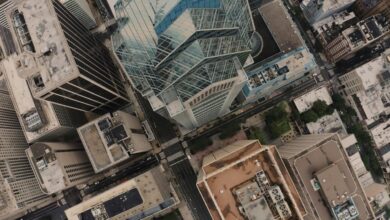

Designing the Responsive Urban Future
The concept of a Smart City has rapidly evolved from a theoretical framework into a tangible, accelerating global reality. It represents a complex, symbiotic fusion of the physical built environment with an immense, layered digital infrastructure. This powerful, interwoven fusion is specifically enabled by widespread, pervasive networks of interconnected sensors and devices, often referred to as the Internet of Things (IoT).
It is also enabled by the sophisticated analytical capabilities of Artificial Intelligence (AI). For too long, the planning of urban spaces and the design of individual buildings operated in separate, often isolated professional domains. However, the rise of intelligent technology fundamentally demands a radical, integrated approach to design.
The modern building can no longer be seen as just a static, isolated structure of steel and concrete. Instead, it must be conceived of and designed as an active, responsive data node within a much larger, interconnected urban nervous system. This transformation places the modern architect, who traditionally focuses on form and function, directly at the crucial intersection of physical space and digital information flow. The architect’s role is shifting dramatically from merely designing static enclosures to mastering the art of designing dynamic, intelligent environments.
These environments constantly learn, adapt, and optimize their performance in real-time based on actual usage. Architects are now responsible for ensuring that the underlying digital technology is not simply bolted onto a finished structure after the fact. Instead, the technology must be deeply and seamlessly integrated into the very DNA of the building’s core design from the earliest conceptual stages. This critical integration ensures that buildings contribute actively to the efficiency, sustainability, and overall quality of life across the broader urban landscape. They are the essential orchestrators responsible for ensuring that the promise of the Smart City—greater energy efficiency, reduced traffic congestion, enhanced public safety, and superior citizen services—is truly realized within a cohesive, human-centric physical space.
The Architect as Digital Integrator
The traditional architectural process must now expand to include deep consideration of computational infrastructure and data strategy. The architect acts as the primary integrator, blending the physical design with the digital layer from the start.
Embedding the Internet of Things (IoT)
IoT involves embedding countless sensors, actuators, and connectivity devices directly into the fabric of the building. The architect must strategically plan for the optimal placement and seamless concealment of this extensive digital hardware for aesthetic and functional reasons. Architects determine the precise location of sensors (for light, temperature, occupancy, air quality, etc.) within walls, ceilings, and facades. This careful planning ensures the maximum possible data capture while simultaneously maintaining the intended aesthetic quality and avoiding visual clutter within the space.
Intelligent buildings require vast networks of power and robust data cabling, or reliable wireless connectivity, to feed the thousands of IoT devices. The architect must expertly integrate these complex pathways into the structural components and mechanical distribution systems from day one of the project. Technology evolves at a breakneck speed, far outpacing the lifespan of the physical building structure. Architects must therefore design adaptable, modular infrastructure pathways that allow for easy, non-destructive upgrades and maintenance of digital systems over the building’s entire operational lifespan.
Designing for Data Flow and Optimization
The primary purpose of embedding IoT devices is to generate continuous, actionable data streams. The architect must design spaces and systems that facilitate efficient data collection, analysis, and beneficial feedback loops driven by AI algorithms. Smart buildings are often intentionally divided into highly granular zones. Each zone’s climate and lighting systems are controlled based on real-time occupancy and need. The architect defines these specific zones to maximize occupant comfort while minimizing unnecessary energy consumption and cost.
AI systems analyze the immense, continuous data streams, such as peak usage times, temperature fluctuations, and daylight availability, to dynamically adjust the building’s complex mechanical and electrical systems. The architecture must allow these systems, like automated louvers, exterior shading screens, and mechanical dampers, to respond instantly and efficiently to AI commands for optimization. BIM (Building Information Modeling) and integrated AI tools allow architects to accurately simulate the real-world performance of their designs under various occupancy and extreme weather scenarios. This crucial step allows for rigorous optimization of the structure’s shape, orientation, and material choices to maximize long-term energy savings.
Integrating Building to Grid (B2G) Communication
Individual smart buildings must function as cooperative, intelligent participants within the wider city’s energy and resource management networks. They must move beyond simple, isolated self-sufficiency to become city assets. Architects must design electrical and HVAC systems that are capable of responding to the energy grid’s demands during peak periods. This means enabling the building to strategically reduce its energy consumption or even temporarily feed stored power back into the grid during peak city-wide demand events, guided by external AI signals.
The design must seamlessly integrate all on-site renewable energy sources, such as rooftop solar and building-integrated photovoltaics, along with crucial battery storage systems. The architect ensures these elements are both aesthetically integrated into the building and technically optimized for maximum generation and reliable efficiency. Beyond energy, IoT sensors can constantly monitor real-time water usage and waste generation volumes. The architecture supports smart plumbing systems that instantly detect leaks and waste disposal systems that optimize collection routes based on AI analysis of bin fill levels, significantly reducing city operational costs and environmental impact.
The Smart City’s Human-Centric Focus
The ultimate goal of integrating IoT and AI is not merely technical or financial efficiency but a tangible, demonstrable improvement in the experience, safety, and overall well-being of the city’s inhabitants. The architect is the crucial guardian of this essential human-centric focus in all design decisions.
Enhancing Occupant Wellness and Productivity
AI-driven building systems have the capability to create highly personalized and optimized indoor environments. These environments directly support the health, wellness, and productivity of the diverse people who occupy them daily. IoT sensors can often recognize individual occupants or consistent user groups and proactively adjust the temperature, air flow, and lighting settings to match their preferred, learned comfort levels. This moves effectively beyond basic zonal control to achieve a true, personalized environmental experience for each user.
Continuous monitoring of pollutants, carbon dioxide levels, and internal humidity allows AI-driven HVAC systems to dynamically increase fresh air intake or filtration intensity precisely when necessary. This proactive management of Indoor Air Quality (IAQ) is especially vital and beneficial in dense urban environments where external pollution is a concern. Architects can strategically integrate sophisticated LED lighting systems that automatically adjust their color temperature and light intensity throughout the day. This closely mimics natural outdoor light cycles, actively supporting human circadian rhythms, which is known to significantly improve mood, alertness, and long-term sleep quality.
Improving Safety and Security
The pervasive network of sensors and continuous AI analysis significantly enhances the security and overall safety protocols within individual buildings and the immediately surrounding public spaces. AI analyzes performance data from elevators, escalators, and critical mechanical systems to successfully predict potential equipment failures before they physically occur. This allows for timely, targeted, and non-emergency maintenance, drastically reducing safety risks and system downtime. Intelligent access control systems, utilizing facial recognition or mobile credentials managed by AI, can provide seamless, secure access to authorized personnel. Simultaneously, they can instantly flag and monitor unauthorized entry attempts. This system learns and actively adapts its security parameters over time based on observed patterns.
In a genuine emergency, such as a fire or earthquake, the IoT network instantly communicates the precise location of the event and the real-time movement and location of occupants to first responders. AI can then dynamically illuminate the safest, clearest evacuation pathways throughout the structure, actively guiding people away from immediate danger and towards safety.
Re-imagining Public and Communal Spaces
The transformative impact of IoT and AI extends far beyond the four walls of the building, fundamentally transforming public plazas, major transit hubs, and shared urban spaces into truly intelligent environments. Urban planners are now actively integrating sensors into street furniture, such as benches, specialized waste bins, and public bus shelters. These devices monitor usage, schedule optimized waste collection routes, or provide real-time public transit information, collectively improving critical city services.
Streetlights equipped with sophisticated motion sensors can intelligently dim when no activity is detected nearby and instantly brighten when pedestrians or vehicles approach the vicinity. This strategic use of adaptive lighting significantly reduces city-wide energy consumption while simultaneously increasing safety perceptions and visibility. Buildings can effectively communicate with the surrounding urban network to provide occupants with optimal, real-time navigation advice upon exit. This extends to available parking information, effective congestion avoidance routes, and multimodal transit options, ultimately easing overall urban flow and reducing traffic stress.
Challenges and Ethical Responsibilities

The integration of such pervasive, powerful technology is not without significant challenges. These particularly involve issues regarding data governance, occupant privacy, and the critical ethical implications of using powerful AI in the public sphere. The architect must actively address and mitigate these critical concerns upfront.
Data Privacy and Security by Design
The sheer volume of personal data continuously collected by smart buildings—including detailed movement patterns, specific energy usage, and granular air quality readings—necessitates a robust, transparent, and ethical framework for data handling. Architects and developers must collaborate closely with specialized software engineers to ensure that sensitive personal data is automatically anonymized, aggregated, or properly encrypted immediately at the source, which is the sensor level. This foundational principle is formally known as Privacy by Design. Clear, legally binding protocols must be established defining who legally owns the massive operational data generated by the building—is it the owner, the tenant, or the facilities management company. The architectural design should actively support a transparent, fully auditable data management system that all parties can trust.
The intelligent building, with its many interconnected systems, is inherently a massive, complex attack surface for potential cyber threats and malicious actors. Architects must meticulously plan for secure network segmentation and the physical protection of critical server rooms and data hubs within the building structure.
The Risk of Digital Exclusion
The highly touted benefits of the Smart City must be intentionally accessible to all residents, regardless of their socioeconomic status, age, or current digital literacy level. The architecture must not, even inadvertently, create new forms of social exclusion or disadvantage. Smart building systems should exclusively utilize simple, highly intuitive interfaces and universal design principles that are easily usable by people of all abilities and technological skill levels. They must strictly avoid complex, proprietary, or confusing systems.
Architects should actively advocate for and design public spaces and affordable housing projects that integrate fundamental, accessible smart technologies. This ensures that the benefits of efficiency and enhanced wellness are successfully distributed fairly across all demographics within the city limits. Smart systems must also be designed with robust, simple, low-tech backups for essential functions. This ensures that the building remains fully functional, operational, and safe even in the unlikely event of major power outages, network failures, or catastrophic digital attacks, maintaining essential services for the public.
Aesthetic and Material Integration
The final physical appearance of the Smart City must reflect core human values and local cultural context. It must strictly avoid the common pitfall of a cold, sterile, or overly technological and futuristic aesthetic that alienates people. The architect’s creative and humanistic vision remains paramount in the final execution. The most effective smart architecture consistently makes the underlying technology itself nearly invisible to the occupant. The focus should remain entirely on the quality of light, the comfort of the air, and the superior functionality of the space, not the visible display of electronic gadgets and wires.
Architects must thoughtfully select durable, locally sourced, and sustainable materials that aesthetically and technically harmonize with the embedded technology. The final building should feel firmly rooted in its specific location and cultural history, not like an alien machine abruptly dropped onto the site. The appearance of the building might dynamically change based on real-time environmental inputs. For instance, intelligent façades might automatically alter their shading patterns or reflectivity in real-time, deliberately creating a visually dynamic, responsive aesthetic that continuously evolves with the time of day and the changing seasons.
Future Roles: Architect as Urban Scientist
The architect’s critical role in the Smart City is continuously expanding and deepening in complexity. They are moving rapidly from the traditional role of master builder to the more analytical role of master data interpreter and urban scientist. This necessitates the acquisition of new, advanced skills and a more intensely collaborative approach across all project phases.
Mastering Computational Design
The immense complexity of integrating vast sensor networks and responsive mechanical systems requires architects to become highly skilled experts in computational design. This involves using advanced algorithms and specialized software to generate, analyze, and rigorously test design solutions. Architects are now using powerful generative design algorithms to expertly explore thousands of design iterations simultaneously. These iterations must meet aesthetic goals, structural requirements, and complex, AI-driven energy performance metrics all at once.
The BIM model becomes deeply parametric and dynamic. Changing a single variable, such as the solar angle or a material’s thermal conductivity, automatically updates and recalculates the performance and cost implication of the entire structural and mechanical system. Computational tools now allow architects to run highly detailed simulations of predicted pedestrian flow, emergency egress routes, and complex microclimate effects. This ensures that the intelligent systems perform exactly as intended under complex, real-world, dynamic conditions.
Collaboration Across Disciplines
The sheer scale, the intricate complexity, and the technological depth of Smart City projects demand an unprecedented level of collaboration and cross-disciplinary expertise. This requires the architect to lead diverse, multi-disciplinary teams that include specialists previously considered peripheral to the traditional design process. Architects must regularly consult with highly skilled data scientists to fully understand the format, immense volume, and analytical potential of the data being collected by the structure. They must also collaborate closely with specialized AI engineers to design and tune the complex control algorithms that run the building systems.
The individual building must seamlessly interface with the wider municipal infrastructure, including traffic management, public transit, and public safety systems. The architect serves as the crucial link between the specific private building design and the city’s overall master plan and established policy goals. Integrating security from the start requires architects to work closely with specialized cybersecurity experts. This ensures the hardening of both the physical and the digital network infrastructure of the building against various local and remote threats.
The Urban Experience Architect
Ultimately, the architect is solely responsible for ensuring that the powerful integration of advanced technology fundamentally serves to humanize the complex urban environment. They must make sure the technology does not automate the city into an impersonal, sterile oblivion. They are the chief designer and guardian of the total, positive human urban experience. While AI successfully optimizes for efficiency and minimum energy use, the architect must consciously design physical spaces that still encourage random human interaction, foster unexpected encounters, and provide moments of natural discovery. These spontaneous moments are the unplanned magic and the essential heart of vibrant city life.
The Smart City should not be a generic, technologically identical place everywhere on the globe. The architect must skillfully use local data, indigenous materials, and cultural context to ensure that the intelligent systems powerfully reinforce the unique identity, history, and character of its specific location. This ensures the buildings are not just efficient but are also culturally meaningful.
Conclusion: Architects Are The Essential Bridge

The architect’s role in the dawning Smart City era is transforming into that of a critical digital integrator and ethical guardian of the built environment. Buildings are no longer static objects; they are dynamic, responsive, and intelligent nodes powered by vast networks of IoT sensors. The architect’s expertise is vital in seamlessly embedding this complex technology into the physical structure while ensuring aesthetic integrity and functionality. They are instrumental in moving beyond mere 3D form to master the data-driven optimization of 4D performance and 5D lifecycle costing.
This integration allows buildings to actively communicate with the surrounding municipal grid, dynamically adjusting energy use and contributing to city-wide sustainability goals. The architect must ensure that the primary focus of all this technology remains firmly human-centric, creating environments that enhance occupant wellness, safety, and productivity. This requires careful consideration of data privacy protocols and a commitment to designing for equitable access, avoiding digital exclusion across the population.
Finally, the modern architect must become adept at computational design and lead collaborative teams of data scientists and engineers. This collective effort ensures that the Smart City is not just technologically advanced but also culturally meaningful, resilient, and inherently livable for all its residents.