Designing with Climate, Not Against It
For countless generations, long before the widespread invention of modern mechanical heating and cooling systems, human architecture was inherently passive in its fundamental principles. Builders and designers throughout history were forced by sheer necessity to effectively harness the natural environment. They had to skillfully manipulate the sun, wind, water, and earth to create comfortable and durable interior conditions for the occupants. This powerful tradition represents a timeless, intelligent partnership between necessary human ingenuity and the planet’s constant natural forces.
Today, in the face of escalating global energy demands and the urgent imperative of climate change mitigation, this ancient, practical wisdom has experienced a significant and professionally necessary resurgence. The core philosophy of Passive Design is simple yet profoundly effective. It states that a building should first and foremost be designed to radically minimize its operational reliance on energy-intensive mechanical systems like HVAC. The central idea is that a structure should manage its internal climate naturally through careful geometry, strategic material selection, and deliberate site orientation.
The current challenge for modern architects is integrating advanced scientific analysis and high-performance modern materials with these fundamental, common-sense principles. This creates highly sophisticated structures that are not only extremely energy-efficient but also offer occupants superior levels of comfort, natural daylight, and a strong connection to the outdoor environment. Mastering passive design is no longer an optional green footnote or a minor addition to a project proposal. It is rapidly becoming the essential foundation for creating truly sustainable, resilient, and economically sound buildings in any climate zone across the globe. By skillfully working with the local climate—rather than attempting to overpower it with massive machinery—architects can radically reduce a building’s overall environmental footprint and operational cost.
The Power of Orientation and Shading
The sun is the single greatest natural influence on any building’s thermal performance and energy balance. Therefore, the strategic physical placement and proper shading of a structure on its site is the critical first step in all successful passive design projects.
Solar Geometry and Site Planning
Understanding the sun’s precise path across the sky throughout the year is absolutely foundational to the concept of intelligent passive architecture. In most temperate and hot climate zones, the longest dimension, or long axis, of the building should be strategically oriented along the east-west line of the property. This essential orientation minimizes the exposure of the primary facades to the low-angle sun exposure on the east and west, which is notoriously difficult to shade effectively without fully blocking necessary views. This initial strategic choice alone significantly reduces unwanted solar heat gain throughout the peak cooling months.
The south-facing facade is widely considered the “sweet spot” for solar control in the Northern Hemisphere, which is the north-facing facade in the Southern Hemisphere. This specific facade receives the most predictable and manageable solar radiation throughout the day. It is easiest to control because the summer sun is high in the sky, making it easy to block, and the desirable winter sun is much lower, allowing it to penetrate and provide warmth. Passive architects always conduct a thorough, deep analysis of the specific site microclimate, looking beyond generalized regional weather data. They must identify localized factors such as the exact prevailing wind direction, nearby shading from existing mature trees or adjacent buildings, and the presence of any unique topographical features like hills or valleys that might locally influence wind flow.
Strategic Shading Elements
Architectural shading is the primary physical tool used by designers to control unwanted solar heat gain before it penetrates the building envelope and overheats the interior space. Fixed horizontal overhangs are widely recognized as the most effective passive shading strategy for predictable south-facing windows. These specific elements are designed to block the intense, high-angle summer sun completely while allowing the beneficial, low-angle winter sun to penetrate and provide necessary passive heating. Vertical fins or carefully angled louvers are much more effective than horizontal overhangs at controlling the difficult low-angle sun found on the east and west facades throughout the morning and afternoon.
Deciduous trees, those that naturally shed their leaves seasonally, offer a naturally intelligent shading solution that dynamically adjusts to the climate throughout the entire year. In summer, their full canopy of leaves provides dense shade, effectively blocking solar heat gain on the façade. In winter, their bare branches allow maximum sunlight to reach the building facade for essential passive heating. Planting trees strategically near the south and west facades can significantly reduce the internal cooling loads and operational energy costs. Modern passive design often incorporates advanced, integrated shading devices, such as perforated metal screens or external operable blinds and shutters. These elements are a permanent part of the facade system itself and significantly reduce direct solar radiation while still allowing diffused light to enter the space, maintaining crucial interior daylighting levels.
Solar Heat Gain Coefficient (SHGC)
The careful selection of window and door glazing is absolutely critical for successfully managing the amount of solar radiation that is permitted to pass through the glass into the building interior. The Solar Heat Gain Coefficient (SHGC)is a specific value that objectively measures how much solar radiation is transmitted through the window and converted to heat inside. A lower SHGC value means less solar heat passes through the glass, which is the ideal specification for hot climates where cooling is the principal operational energy concern.
Architects widely specify glazing with Low-Emissivity (Low-E) coatings. These are microscopically thin, invisible layers of metal oxide applied to the glass surface. These specialized coatings effectively reflect specific wavelengths of solar radiation, such as infrared, while remaining highly transparent to the visible light spectrum. This allows maximum light into the space without the associated heat gain. The passive designer must also carefully balance the critical need for minimal heat gain (a low SHGC) with the desire for maximum visible light transmission (a high VLT). This necessary balancing act often leads to different window specifications and configurations on different building facades, maximizing performance based on the specific solar exposure of each orientation.
Harnessing the Wind for Natural Ventilation
Effective passive cooling relies heavily on the strategic use of natural ventilation to efficiently exhaust warm indoor air. This simultaneous action pulls in cooler outdoor air, thereby reducing the reliance on energy-intensive mechanical air conditioning equipment.
Cross and Stack Ventilation
These are the two primary and powerful natural mechanisms used to drive passive airflow through a large building. They often require specific architectural features, such as tall volumes or carefully placed openings, to function correctly and reliably. Cross ventilation occurs when air moves horizontally across a space, driven by the difference in air pressure between the windward and leeward sides of the building. The passive design therefore requires operable windows or vents located on opposing walls within a room or unit to maximize airflow across the occupied space. Careful interior planning ensures that few or no fixed obstructions block this necessary horizontal airflow path.
The stack effect, or thermal buoyancy, occurs when warmer, less dense air rises and exits through high-level openings, naturally pulling cooler, denser air in through low-level openings at the base of the structure. Architects utilize tall spaces like central atria, light wells, or specific thermal chimneys in the design to deliberately enhance this natural vertical airflow. This provides reliable and consistent ventilation even when the external wind conditions are calm. The size and precise location of the air inlets and outlets must be carefully balanced to maintain adequate air velocity within the occupied space. If the inlets are too large, the air velocity will be low, leading to ineffective cooling; if they are too small, the air pressure will be too high, causing uncomfortable, localized drafts. Passive design requires calculated opening sizes based on complex fluid dynamics.
Architectural Features for Air Flow
Specific, deliberate design elements are fully integrated into the facade and roof of the building. They are intended to capture, channel, and direct air effectively and efficiently through the entire building’s interior spaces. Historically used in traditional Middle Eastern and Persian architecture, wind catchers are tall, tower-like structures built into the roof. They are specifically designed to capture the prevailing winds and channel the cooler air down into the building’s lower levels. This provides reliable ventilation regardless of the building’s main orientation relative to the wind.
Interior courtyards and large open atria serve a dual, important purpose in natural ventilation strategies. They act as cool air reservoirs at night and actively facilitate the stack effect during the day. They achieve this by providing a central vertical column for warm air to rise and escape through high clerestory windows. The overall geometry of the space actively drives the essential airflow. Wing walls or small vertical fins placed immediately adjacent to an operable window can help accelerate and actively direct wind flow into the opening. This is especially useful when the wind is not hitting the facade directly head-on. These small architectural additions effectively increase the area of pressure difference, driving the necessary airflow into the building interior.
Thermal Mass and Insulation
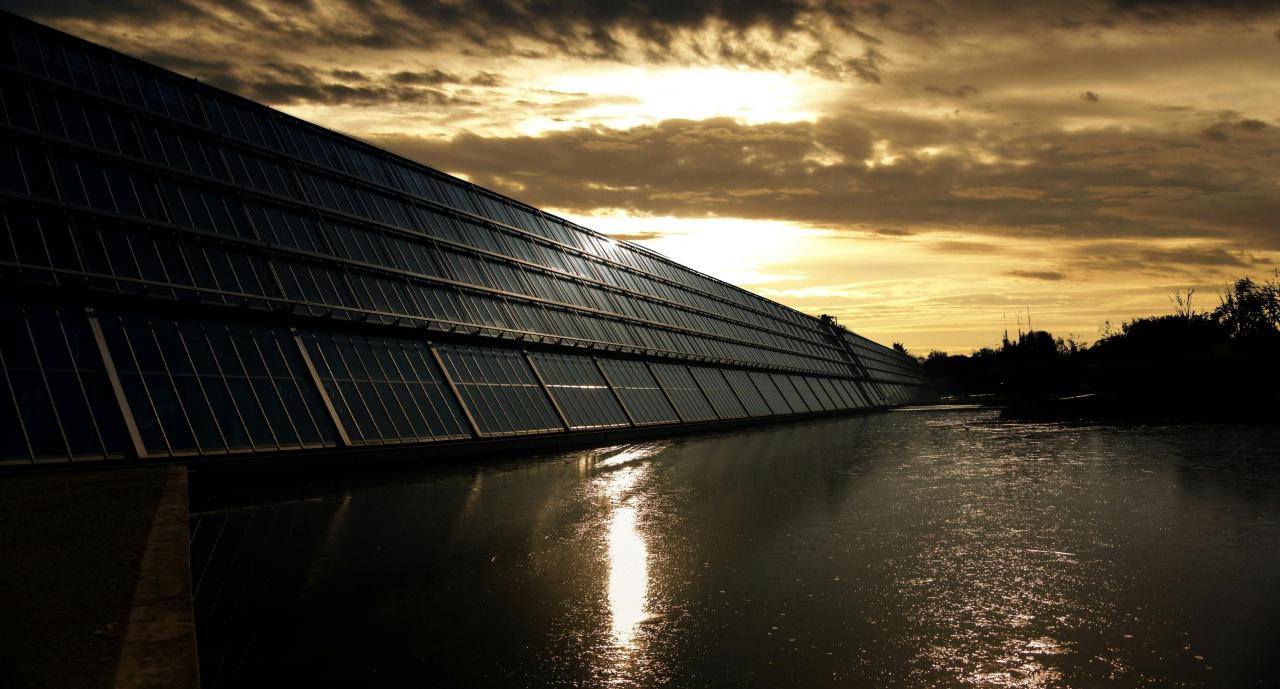
Managing the storage and subsequent slow release of heat is absolutely fundamental to stabilizing internal temperatures passively. This relies upon a careful, scientific balance between the thermal mass of the materials and the surrounding layers of insulation.
Thermal Mass for Temperature Stability
Thermal mass refers to the ability of heavy, dense building materials, such as concrete, stone, or brick, to absorb and store heat energy. It releases this stored energy slowly over an extended period. This specific effect is crucial for both passive heating and passive cooling strategies simultaneously. In hot climates, thick concrete or masonry walls absorb the day’s intense heat, preventing it from immediately reaching the interior occupied space. At night, when the exterior air is much cooler, the mass releases the stored heat harmlessly to the outside, thereby cooling the interior. This critical action effectively dampens the daily temperature swing experienced by the occupants.
In cold climates, thermal mass should be strategically positioned inside the insulated envelope to be directly exposed to desirable winter sunlight. The mass absorbs the solar energy during the day and then slowly releases that stored warmth back into the interior space at night. This significantly reduces the need for constant mechanical heating input. This strategy is often successfully achieved with exposed concrete floor slabs or large, heavy interior masonry walls. The effectiveness of thermal mass depends entirely on its correct location relative to the insulation layer. For a passive heating strategy, the mass must be placed strictly inside the insulation. For a purely passive cooling strategy in hot climates, the mass can sometimes be beneficial on the exterior or interior, depending heavily on the nighttime ventilation strategies employed.
The Role of Continuous Super-Insulation
While thermal mass efficiently stores energy, insulation is the key physical component that prevents that energy (heat) from either escaping in winter or entering in summer. This makes the entire suite of passive strategies effective and viable. The insulation layer must wrap the entire structure without any interruption to avoid thermal bridging. Thermal bridges are specific points where materials with high heat conductivity, like structural steel or wood studs, penetrate the insulation layer. This creates a direct, energy-wasting path for heat flow and dramatically reduces the overall thermal performance of the building envelope.
Passive design inherently emphasizes that insulation and thermal mass perform two distinct, yet highly complementary, functions. Insulation acts as the thermal buffer, preventing rapid heat exchange with the outside environment. Thermal mass functions as the thermal battery, storing and slowly releasing energy within the conditioned space. Both components are absolutely necessary for achieving optimal passive performance and comfort. Because heat naturally rises and the roof surface receives the most intense summer solar radiation, the roof system generally requires the highest level of insulation, the highest R-value, in the entire building envelope. A well-insulated roof is a major and non-negotiable factor in successfully minimizing the required cooling loads.
Earth, Water, and Evaporative Cooling
Beyond the powerful forces of solar radiation and wind, the earth itself and the properties of water can be skillfully leveraged by the passive architect. These elements can be used to provide reliable, low-energy cooling and heating stabilization throughout the year.
Earth-Tempering and Underground Design
The earth beneath the surface maintains a relatively constant, moderate temperature year-round, which is far more stable than the exterior air temperature. This constant temperature can be effectively utilized to stabilize a building’s internal climate with minimal effort. By strategically burying a portion of the building underground or simply banking earth against the exterior walls, the structure benefits directly from the earth’s stable temperature. This strategy, known as earth-tempering, significantly reduces both the heating and cooling loads on the structure. This is because the earth acts as a massive, constant-temperature buffer, mitigating external temperature extremes.
The technique of Earth Tube Heat Exchangers involves burying a long series of durable underground pipes through which fresh outside air is intentionally drawn before it enters the building’s ventilation system. In summer, the hot incoming air is passively pre-cooled by the surrounding cooler earth before reaching the interior. In winter, conversely, the cold incoming air is passively pre-warmed by the earth. Even when a basement is already underground, the floor slab and the walls must still be properly insulated, especially in cold climates. This is essential because the ground near the surface is still significantly cooler than the desired indoor temperature during the deep winter months.
Evaporative Cooling Techniques
Evaporation is a natural and powerful physical process that constantly draws heat from its immediate surroundings, requiring no external mechanical input. Architects can design specific systems that harness this effect to effectively cool air or surfaces without relying on energy-intensive, refrigerant-based air conditioning units. A Green Roof, which is covered with living vegetation and soil, cools the building by directly shading the roof surface from the sun. It also cools through the natural process of evapotranspiration, which is water evaporating from the leaves and soil. Similarly, simple roof ponds, which are shallow water bodies on the roof, cool the structure as the water evaporates, providing an effective, passive heat sink.
Interior or exterior water features, such as strategically placed fountains or reflective pools near air intakes, can slightly lower the temperature of the incoming air through evaporation before it enters the building’s intake. They also contribute a pleasant sense of moisture and a calming sound to the internal environment. While technically a minimal mechanical system, Direct Evaporative Coolers, often called swamp coolers, are far more energy efficient than traditional compression-based air conditioners. They pass air over a wet medium, cooling the air via the process of evaporation, and are highly effective in hot, dry climates where humidity levels are naturally low.
The Building as an Integrated System
Passive design fundamentally recognizes that the building is not merely a random collection of individual parts. It is a single, highly integrated performance system where every component affects the operational performance of every other component simultaneously.
Internal Load Management
Even a perfectly designed high-performance envelope can be easily overwhelmed by heat that is primarily generated inside the building structure. This makes the expert management of internal heat sources a critical passive design strategy. Architects must therefore advocate for and specify only low-energy, high-efficiency appliances and office equipment that generate minimal waste heat. Every single watt of heat generated internally must be actively removed by the cooling system, so minimizing the internal parasitic load is paramount to NZE success.
Even highly efficient LED lights generate some residual heat, but the use of maximized daylighting remains the ultimate internal load reduction strategy available. By maximizing the penetration of natural light, the need for all forms of electric lighting is significantly reduced. This action cuts both the electrical load and the heat gain from the fixtures themselves, reducing system reliance. The most sophisticated passive design system can easily be defeated by poor occupant behavior or misuse. Architects often provide clear, detailed operational guides and educational signage to occupants, patiently explaining how and when to best operate the windows, blinds, and vents to maximize the building’s passive performance and comfort.
Integration with Renewable Energy
Passive design is the necessary, non-negotiable prerequisite for successfully achieving true Net Zero Energy (NZE)status. This foundational work transforms the structure into a small, manageable energy load for the subsequent renewable sources to handle. The “Load First” philosophy dictates that passive strategies are the architect’s most critical contribution to the NZE equation. This ensures that the required photovoltaic (PV) system size is small enough to be practical and genuinely affordable to fit on the available roof area. This essential step makes the final transition to NZE technically feasible.
The architect must design the roof and facade to maximize the unshaded, physically accessible area for potential solar energy installation. This proactive planning includes designing the roof structure to correctly handle the weight load of PV panels and batteries. It also means anticipating all necessary utility connection requirements for safe, compliant operation. The core passive design features are always specifically tailored to the local climate conditions. For example, a building design optimized for a hot, dry desert climate will be fundamentally different from one optimized for a cold, cloudy mountainous region, yet both successfully achieve their ultimate performance goals passively.
Conclusion: The Architecture of Responsibility
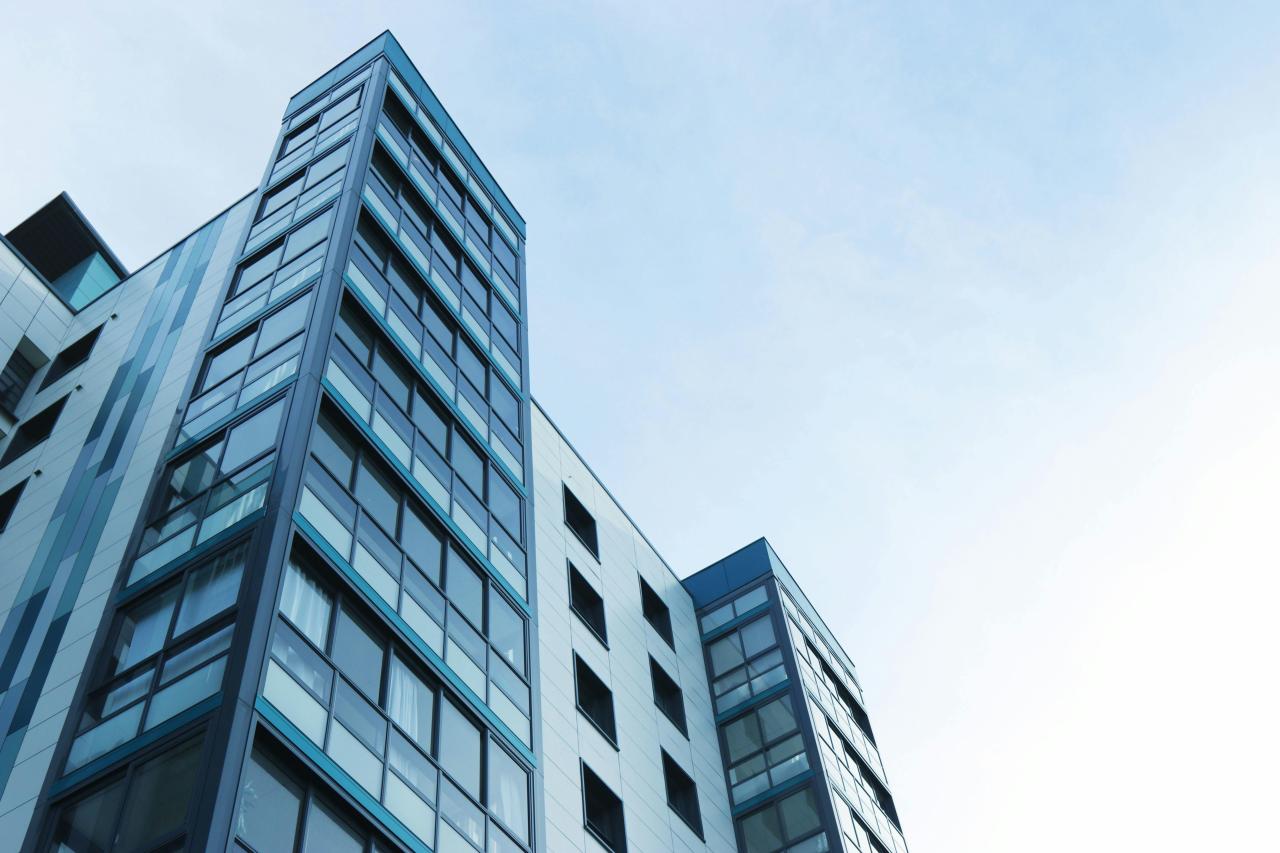
The complete philosophy and established practice of Passive Design transcend mere operational energy efficiency metrics. This core architectural approach represents a profound and professionally necessary return to a timeless, fundamental principle. It is the principle that responsible architecture must always begin by working harmoniously with the local climate and available natural resources. The successful execution of a truly passive building is a masterclass in professional design integration. It demands meticulous analysis of solar geometry to correctly inform the building’s optimal Orientation and the intelligent deployment of fixed, complementary Shading Elements.
Achieving internal thermal stability requires a delicate and scientific balance of components. This involves strategically positioning dense Thermal Mass inside the building’s perimeter to act as a heat sponge. This mass must then be fully protected from external temperature swings by a continuous layer of high-performance Super-Insulation. Furthermore, harnessing natural forces requires the architect to design specific vertical and horizontal pathways for reliable Natural Ventilation.
They must utilize physical phenomena like the stack effect and cross ventilation to naturally cool the interior spaces when required. This rigorous, holistic methodology ensures the structure’s reliance on energy-intensive mechanical systems is effectively minimized to the absolute practical limit of technology. By significantly reducing the initial cooling and heating demands of the structure, the architect ensures that the final goal of Net Zero Energy becomes not just a distant, abstract ideal. It becomes a tangible, achievable, and cost-effective reality for the client.
Ultimately, embracing passive design is the essential act of professional responsibility. It transforms our built environment from a primary source of climate pollution into a powerful, elegant solution for a resilient and sustainable future for all.